
Aligned with NSW’s Heavy Construction Materials Supply Strategy and the Hunter Regional Plan 2041, the project will deliver around 30 million tonnes over 30 years, ensuring materials are sourced locally – just 30 minutes from end-use markets.
The Greater Sydney Region requires 740,000 tonnes of quarry product every week. By 2036, 500 million tonnes will be needed to meet demand. To support local economies and infrastructure, resources must be sourced closer to where they’re used. This project provides that resource to support local construction and community growth. Without securing resources into the future we will only increase the cost of construction in every aspect – especially housing.
Supporting State Construction Sector: The construction industry of NSW is a $56 billion industry employing 370,000 workers and contributing 45% of the NSW taxation revenue base.
Job Creation and Economic Boost: Roles for up to 15 employees will be created, with additional opportunities for contractors including truck drivers, mechanics, and environmental specialists.
Secured, Constrained Supply: Secure a critical resource to continue to grow Huntlee (15 years of growth), 15,000 hectares Strategic Regional Growth Area (SRGA) between Rutherford and Branxton, and industrial and housing growth at Loxford, Aberglassyn and other local communities.
Efficient Transport and Lower Emissions: With end-use markets within 30 minutes, the strategic location minimises haul distances, reducing both transport costs and emissions.
Community Benefits and Local Support:
The Pittman Group has a strong and enduring commitment to supporting the wellbeing of communities across the Hunter and beyond. Through our group of companies and associated entities, our contributions to charities and community organisations make a real difference in people’s lives.
Our contributions support a broad range of causes, including: The Salvation Army, Lifeline, OzHarvest, The Butterfly Foundation, Country Women’s Association, Singleton Community Centre, Got Your Back Sista, Give Freedom International, Mark Hughes Foundation, Days for Girls and World Vision.
Our support includes financial donations, sponsorships and in-kind contributions, reflecting our belief that strong companies should help build strong communities. As Bluestone Hardrock Quarry progresses, we will continue to grow this commitment to ensure the project delivers lasting benefits for the local community and the broader region.
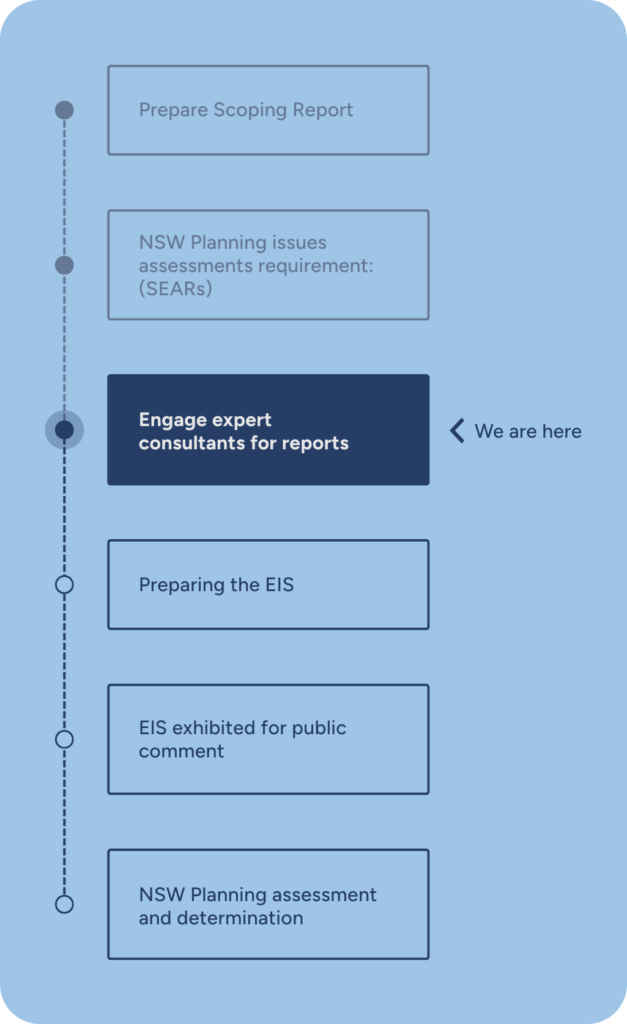
Bluestone Hardrock is advancing through its planning stages. Key documents – including the scoping report, SEARs, and agency advice – are available on the NSW Planning Portal. An Environmental Impact Statement (EIS) is currently being prepared, a key step toward final approval. We remain committed to community consultation as the project progresses.
*The Impact of Heavy Construction Materials Prices on Infrastructure Costs, 2022, Macromonitors report prepared for CCAA.
**As supplied by Cement, Concretes and Aggregates Australia, Issued July 2023.
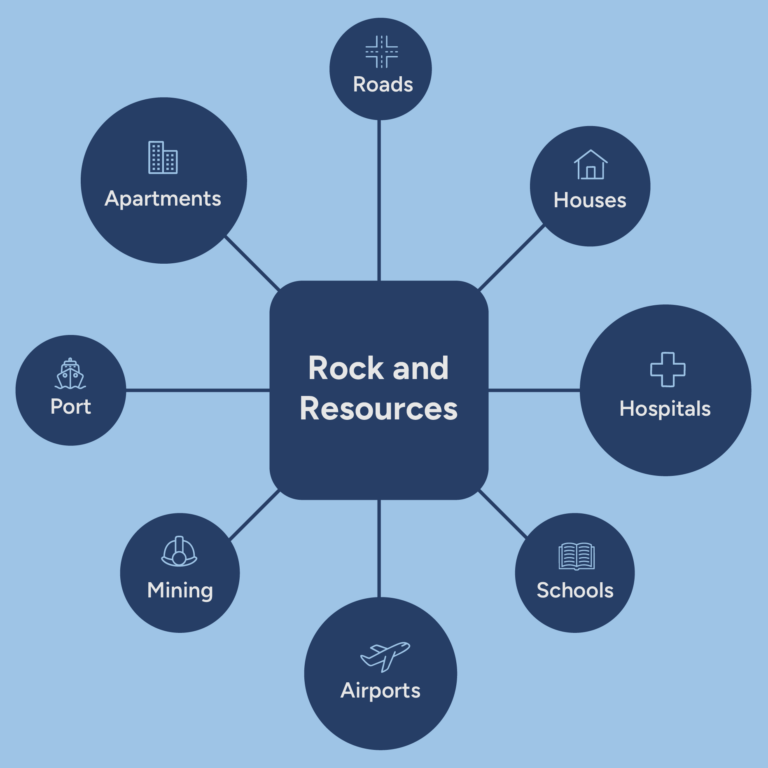
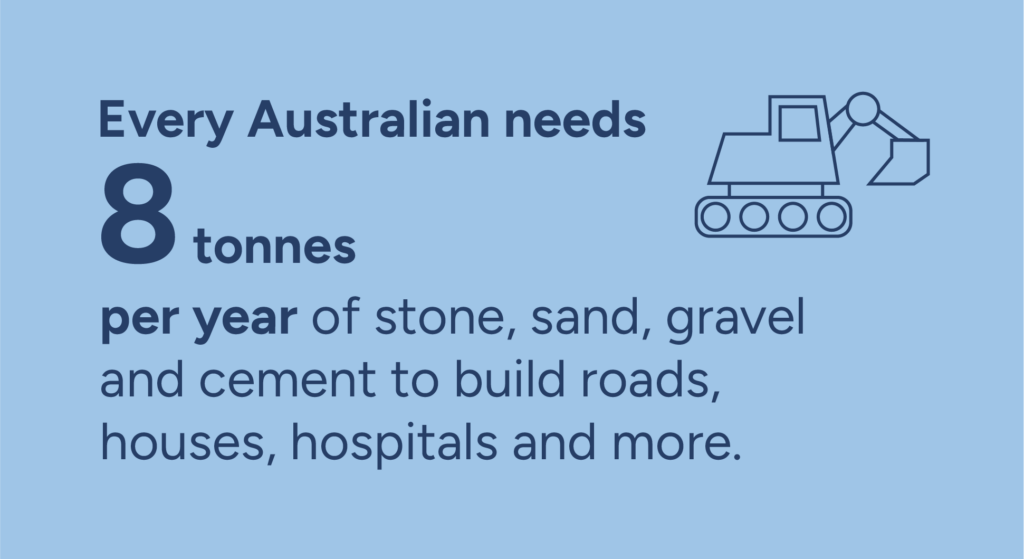
Every Australian uses around 8 tonnes of stone, sand, gravel, and cement each year to support essential infrastructure like roads, houses, hospitals, and more.
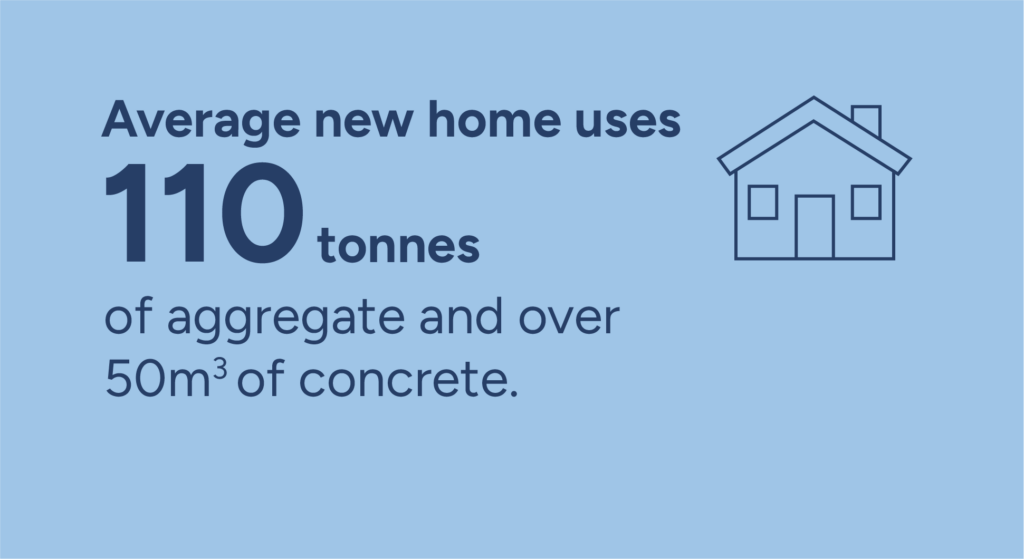
An average new home requires 110 tonnes of aggregate and more than 50m³ of concrete to be built.
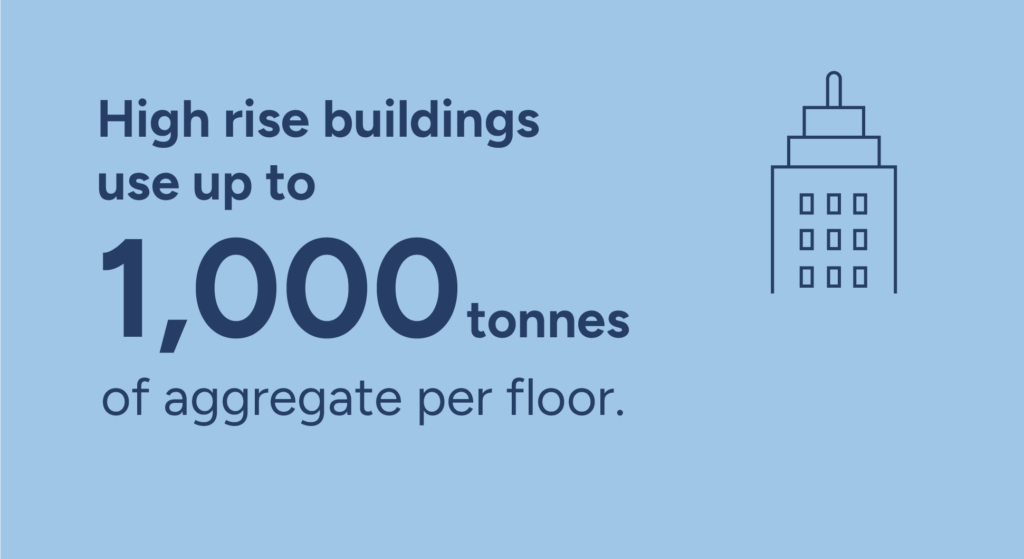
High-rise buildings can use up to 1,000 tonnes of aggregate per floor, highlighting the scale of materials needed for vertical construction.
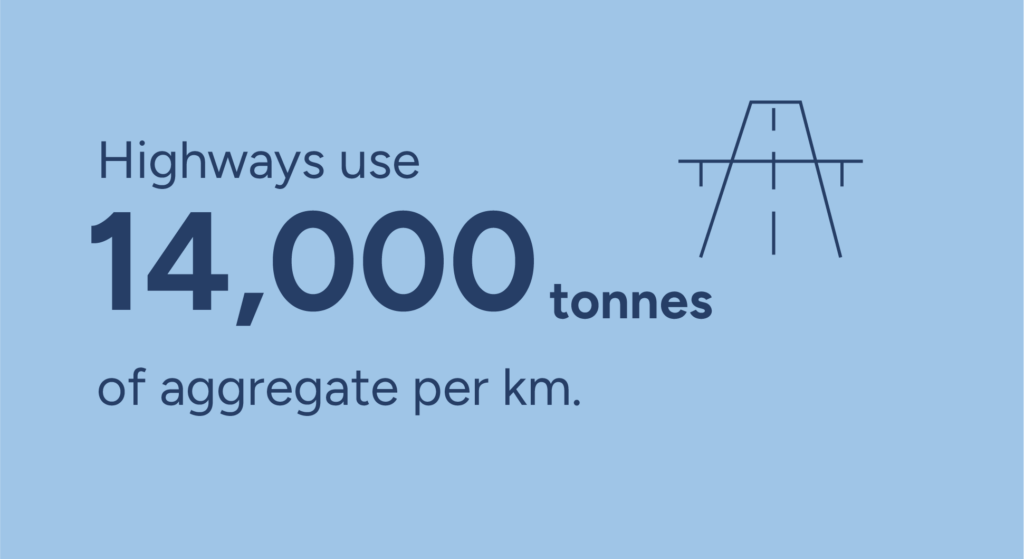
Constructing 1 kilometre of highway can require up to 14,000 tonnes of aggregate, underscoring the material demands of major transport projects.
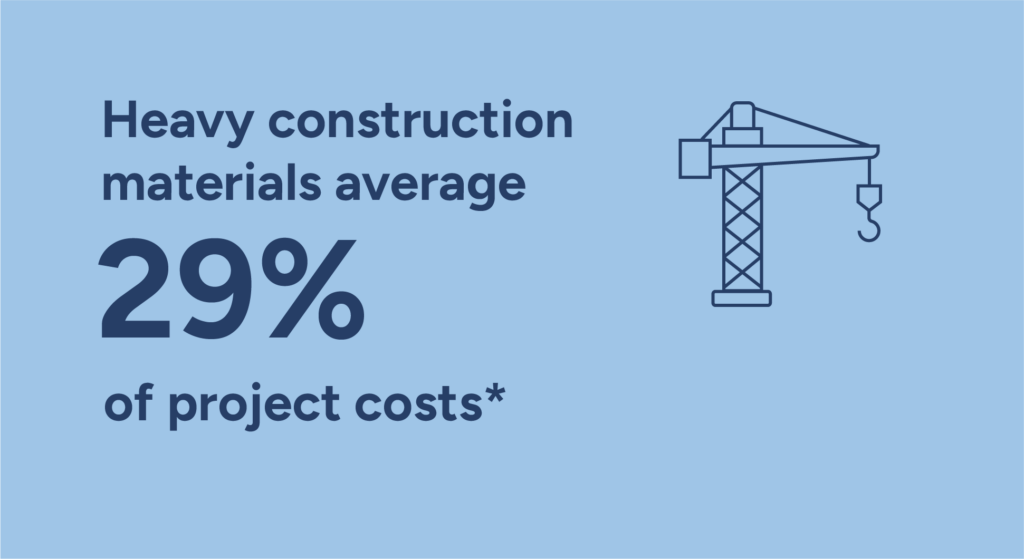
Heavy construction materials account for approximately 29% of total project costs, making them one of the most significant contributors to infrastructure budgets.
The industry supports local supply chains, ensuring local jobs are used on local projects that benefit local communities.
There are a couple of steps in making a submission, but you can do it easily and quickly online. It takes about 10 minutes. You make the submission to the NSW Government on its planning website.
If you don’t have an account on the NSW Govt Planning website, it only takes a minute or two to set one up and receive a verification email.
1
Click here to create an account.
2
Use your confirmation email link to complete your profile and verify your account.
3
Once your login is confirmed, come back here and click on the link below
4
Log in and follow the prompts to give your feedback. Click “Submit”.
If you already have an account on the NSW Govt Planning website, follow the 3 easy steps below to log in.
1
Click on the link below
2
3
Follow the prompts to give your feedback. Click “Submit”.
Bluestone Hardrock is used to provide high-quality, durable aggregate for concrete batching, road construction, and infrastructure projects across Australia, essential for building homes and roads.
Bluestone Hardrock offers a range of resources designed to keep the community well-informed, including easy-to-read flyers, detailed fact sheets, comprehensive project summary booklets and submission reports. These materials provide clear insights into the project’s benefits, progress, and regulatory process, ensuring that community members have access to accurate and up-to-date information.

Q: Does Elderslie Bridge have the capacity to handle the proposed quarry trucks?
A: Elderslie is a Transport for NSW asset and is operated and maintained by TfNSW.
The Bridge is rated at 42.5 tons for a semi trailer and 50 tons (for a truck and dog) in a quad dog configuration.This configuration fits in with Bluestone Hardrocks proposal and will be addressed in the Traffic Impact Assessment and further consultation with TfNSW.
Q: How many trucks will travel on local roads each day?
A: At peak production, there will be up to 110 loaded trucks per day. Truck & Dog combinations will be used.
A road safety audit will also be carried out to highlight any issues that require attention to ensure safe operation.
Q: What will ensure Road Safety?
A:The proposed haulage route is a public road and as such all road users are governed by road rules in respect to the safe use of the road.
All truck drivers carting out of the proposed quarry will be required to adhere to the Quarry operators code of conduct that will be implemented to ensure a safe operation and to minimise any impact to local residents and other road users along the haulage route.
A full Traffic Impact Assessment will be conducted to assist to highlight any impacts that need to be addressed prior to the operation and during the operation. This will also assist in implementing the code of conduct.
Q: Will the operation of the Quarry cause noise emissions?
A: Positioning of the proposed quarry in such a natural setting amongst natural ridge lines will help to mitigate any noise and vibration disruption at surrounding receivers. A noise impact assessment will be carried out to ensure that the proposal meets the required criteria for noise emissions from the operations of the quarry.
Q: Will blasting be a regular disruption?
A: Blasting will occur approximately 40 times per year during the afternoon between the hours of 1pm and 3pm to ensure that there are no explosives stored on site.
A Blast and Vibration monitoring plan will be implemented to ensure that all surrounding neighbours and Elderslie Airport are notified in advance of any blasting occurring and to monitor any impacts from the blasting.
As a part of the Noise Impact Assessment Blasting will be modelled to ensure that it is compliant with the relevant standards minimising any impact to surrounding receivers through the implementation of mitigation measures should they be required.
Q: Will the quarry impact local ecosystems?
A: Areas impacted will be thoroughly assessed. Any unavoidable impact will be offset through NSW’s Biodiversity Offsets Scheme, using credits or on-site stewardship areas.
Q: How is dust managed?
A: An Air Quality Impact Assessment will be carried out to assess the likelihood of any impacts created by the quarry and its operations.
The quarry will use water carts, covered loads, and sealed roads to minimise dust. Stockpiles and crushing areas will be located for maximum acoustic and dust control.
Q: Will it affect surface or groundwater?
A: Sediment ponds and stormwater controls will ensure clean water. Groundwater bores have already been installed for monitoring, and further hydrological assessment is underway.
Q: How will the Quarry and The Hunter Gas Pipeline Co-Exist?
A: The Hunter Gas Pipeline has a proposed 200m wide corridor through the proposed quarry and some 700 other private properties along the proposed pipeline route.
The Hunter Gas Pipeline approval allows for the pipeline to be moved outside of the corridor in a number of listed circumstances. The proponent and the current owner of (HGP) Santos have met to discuss the relocation of the pipeline outside of the impact area of the quarry.
Any discussions relating to this matter are commercial in confidence until an agreement is finalised.
Q: How many local jobs will be created?
A: Roles for up to 15 employees will be created, with additional opportunities for contractors including truck drivers, mechanics, and environmental specialists.
Q: Where will the rock be used?
A: It is anticipated that the product will be used locally in Singleton, Maitland, and Cessnock LGA’s. The remainder will support critical state-wide infrastructure including but not limited to rail ballast and road bases.
Q: Who makes sure the quarry follows the rules?
A: The EPA will issue and enforce a strict Environment Protection Licence. Additional oversight includes Singleton Council, Transport for NSW, and DCCEEW.
Q: How will the site be managed long-term?
A: A full Environmental Management System (EMS) and Rehabilitation Strategy will guide operations, including progressive restoration of land to pasture and native vegetation.
Q: How will the community be able to learn more about the proposal?
A: Community consultation is currently underway with the Social Impact Assessment being carried out by Social Aspect, please don’t hesitate in reaching out and asking questions, helping shape how the project is managed.
This website allows questions to be asked which will be answered when the relevant information is available from the specialist consultants so as to not provide misleading or conflicting information.